Klaviyo Costs Explained (2026|027): Turn Pricing Confusion Into Smart Growth With the Right Plan
If you’ve been researching klaviyo costs, chances are you’ve seen mixed reactions.
Some say it’s expensive.
Others say it’s worth every dollar.
So which one is true?
The honest answer is: both can be true—depending on how you use it.
This guide isn’t here to blindly praise or criticize. Instead, it will help you understand:
✔ What you actually pay
✔ Why costs increase
✔ How to control your spend
✔ And most importantly—how to turn pricing into profit
Get started ➤ for Free with Email and SMS
Because once you understand klaviyo pricing plans, the conversation shifts from:
❌ “This is too expensive”
➡️ to
✅ “This is an investment that scales with my business”
💡 Why Klaviyo Costs Feel High (And Why That’s Not a Bad Thing)
Let’s address the biggest concern upfront.
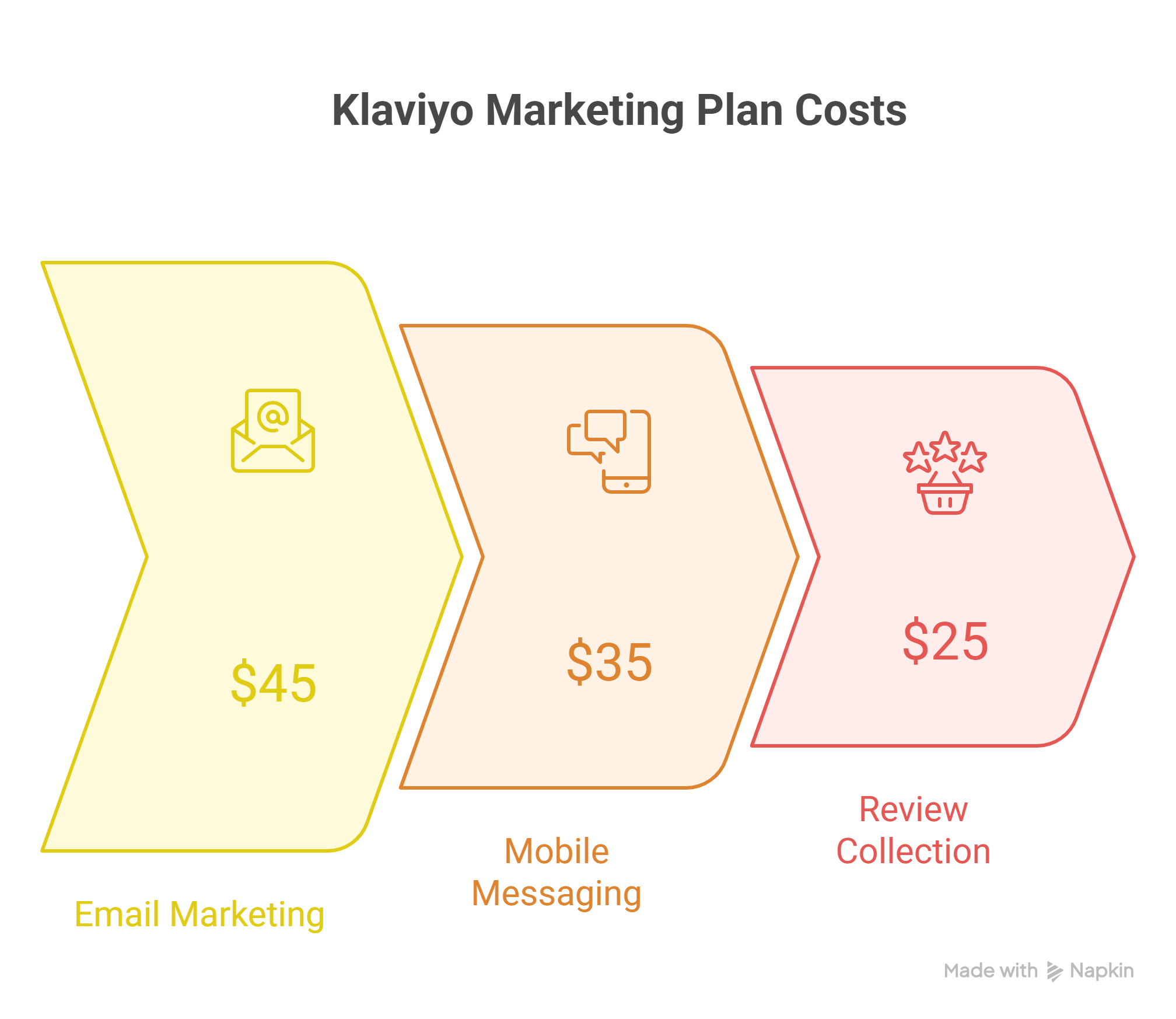
Many users feel overwhelmed when they first look at klaviyo costs.
Here’s why:
- Pricing increases as your contact list grows
- You pay based on usage, not just access
- Advanced features are tied to higher tiers
At first glance, this can feel restrictive.
But here’s the shift in perspective:
👉 Klaviyo doesn’t charge you for potential—it charges you for growth.
That means:
- If your business isn’t growing → your cost stays low
- If your business is growing → your revenue should be increasing too
This is fundamentally different from flat-fee tools.
And that’s where the opportunity lies.
📊 Understanding Klaviyo Pricing Plans (Simple Breakdown)
Let’s simplify klaviyo pricing plans so you don’t get lost in numbers.

🟢 Free Plan
✔ Up to 250 contacts
✔ 500 email sends/month
✔ Basic automation
💬 Best for:
- Beginners
- Testing email marketing
- Small startups
🔵 Email Plan (Paid)
✔ Scales with contact list
✔ Unlimited email sends (within fair use)
✔ Advanced automation
💬 Best for:
- Growing businesses
- eCommerce brands
- Content creators
🟣 Email + SMS Plan
✔ Everything in Email Plan
✔ SMS marketing included
✔ Omnichannel automation
💬 Best for:
- Brands focused on conversion
- High engagement strategies
⚫ Enterprise Level
✔ Custom pricing
✔ Dedicated support
✔ Advanced integrations
💬 Best for:
- Large-scale operations
- High-volume senders
⚠️ The “Hidden Cost” Myth (And What’s Actually Happening)
You might have heard:
“klaviyo costs increase fast”
That’s not entirely wrong—but it’s often misunderstood.
What actually happens:
✔ Your contact list grows
✔ Your email volume increases
✔ Your campaigns become more effective
➡️ So naturally, pricing adjusts.
But here’s the key insight:
👉 You’re not paying more for the same value—you’re paying more because you’re generating more value.
🔍 Real-Life Example: Turning Cost Into ROI
Let’s say:
- You have 1,000 contacts
- You pay for a mid-tier plan
Now imagine:
- Your email campaigns generate $3,000/month
- Your Klaviyo cost = $100/month
That’s a 30X return.
Suddenly, the conversation changes from:
❌ “This tool is expensive”
➡️ to
✅ “This tool is printing money”
_%20What%20You%20Actually%20Get%20%2B%20Hidden%20Limits%20Revealed%20-%20visual%20selection.png)
🚀 How to Control Klaviyo Costs (Smart Strategies)
Instead of avoiding klaviyo pricing plans, the smarter move is to optimize them.
1. ✂️ Clean Your Email List Regularly
Inactive users increase your cost without adding value.
✔ Remove unengaged subscribers
✔ Segment based on activity
👉 Result: Lower cost + higher performance
2. 🎯 Focus on High-Intent Campaigns
Don’t send emails just to fill quotas.
✔ Target engaged users
✔ Personalize content
👉 Result: Better ROI per email
3. ⚙️ Use Automation (The Secret Weapon)
Automation drives revenue without increasing workload.
Set up:
✔ Welcome series
✔ Abandoned cart emails
✔ Post-purchase flows
👉 Result: More revenue without more effort
4. 📈 Scale Only When Profitable
Don’t rush into higher plans.
✔ Track revenue per subscriber
✔ Upgrade only when ROI is proven
👉 Result: Controlled growth
🧠 Comparing Klaviyo Pricing Plans With Alternatives
To truly understand klaviyo costs, you need context.
Klaviyo vs Mailchimp
- Mailchimp: Lower entry cost
- Klaviyo: Better automation + segmentation
Klaviyo vs Omnisend
- Omnisend: Easier for beginners
- Klaviyo: More powerful long-term
👉 Conclusion:
Klaviyo may cost more—but it often delivers more.
💥 Turning Pricing Fear Into Competitive Advantage
Most people hesitate because of pricing.
That hesitation creates opportunity.
👉 Businesses that invest early in tools like Klaviyo often:
- Build stronger customer relationships
- Generate more repeat sales
- Scale faster
So instead of asking:
❌ “Is it expensive?”
Ask:
✅ “Am I using it to its full potential?”
📌 When Klaviyo Pricing Plans Make the Most Sense
Klaviyo is ideal if:
✔ You run an eCommerce store
✔ You want advanced email automation
✔ You care about data-driven marketing
It may not be ideal if:
❌ You have zero audience
❌ You don’t plan to use automation
❌ You want a basic newsletter tool
🔑 The Psychology Behind Klaviyo Costs
Here’s something most guides won’t tell you:
👉 Pricing affects behavior.
When you invest in a tool:
- You take it more seriously
- You use it more effectively
- You focus on results
That’s why many businesses grow faster after switching to Klaviyo.
📊 Cost Breakdown by Business Size
Small Business (0–250 contacts)
✔ Cost: Free
✔ Goal: Learn + test
Growing Business (1,000–5,000 contacts)
✔ Cost: Moderate
✔ Goal: Optimize + scale
Established Business (10,000+ contacts)
✔ Cost: Higher
✔ Goal: Maximize ROI
⚡ Common Mistakes That Increase Costs
Avoid these:
❌ Keeping inactive subscribers
❌ Sending irrelevant emails
❌ Ignoring segmentation
❌ Not using automation
These mistakes make Klaviyo feel expensive—when it’s actually inefficient usage.
🔄 How to Reduce Costs Without Downgrading
You don’t always need to switch plans.
Try this instead:
✔ Remove inactive contacts
✔ Improve targeting
✔ Increase conversion rates
👉 You’ll often reduce cost and increase revenue.
🧩 The Bigger Picture: Cost vs Value
Let’s reframe everything:
- Cheap tools save money
- Smart tools make money
Klaviyo falls into the second category.
📣 Positive Call to Action (Reframing the Negative)
If you’ve been hesitating because of klaviyo costs, here’s the truth:
👉 The real risk isn’t spending money.
👉 The real risk is missing growth opportunities.
Instead of avoiding Klaviyo:
✔ Start with the free plan
✔ Learn the system
✔ Scale when ready
❓ FAQs About Klaviyo Costs
Is Klaviyo expensive?
It can be—but only if you’re not using it effectively.
Can I use Klaviyo for free?
Yes, up to 250 contacts.
Do costs increase quickly?
They increase with growth—which is a good sign.
Is it worth it?
For most growing businesses—yes.
🧠 Final Thoughts: From Cost Concern to Growth Strategy
Understanding klaviyo pricing plans changes everything.
What once looked like a limitation becomes a roadmap:
✔ Start small
✔ Optimize performance
✔ Scale with confidence
Because in the end:
👉 Klaviyo isn’t just a cost.
👉 It’s a growth engine—if you use it right.
Get started ➤ for Free with Email and SMS

📊 FACT DATA SHEET
- Pricing is contact-based
- Free plan available (250 contacts)
- Costs scale with growth
- Automation drives most ROI
- Email marketing ROI often exceeds 20–30X
🚀 TOP 5 HIGH-IMPACT ACTIONS
- Clean your email list monthly
- Focus on automation over campaigns
- Track ROI per subscriber
- Upgrade only when profitable
- Segment your audience early
🔧 CONTENT UPGRADE PLAN
To dominate rankings:
✔ Add ROI calculator
✔ Include real case studies
✔ Add screenshots/tutorials
✔ Expand competitor comparisons
✔ Update pricing regularly
Affilaite Disclaimer
This post may contain affiliate links, which means I may earn a small commission at no extra cost to you if you make a purchase through them.
I only recommend products and services that I genuinely believe provide value.Your support helps keep this content free and useful.